

This article first appeared on Mi3 here.
Despite a multi-year bull run in retail media globally, there was an abundance of retail executive teams around the world disappointed with their retail media network initiatives.
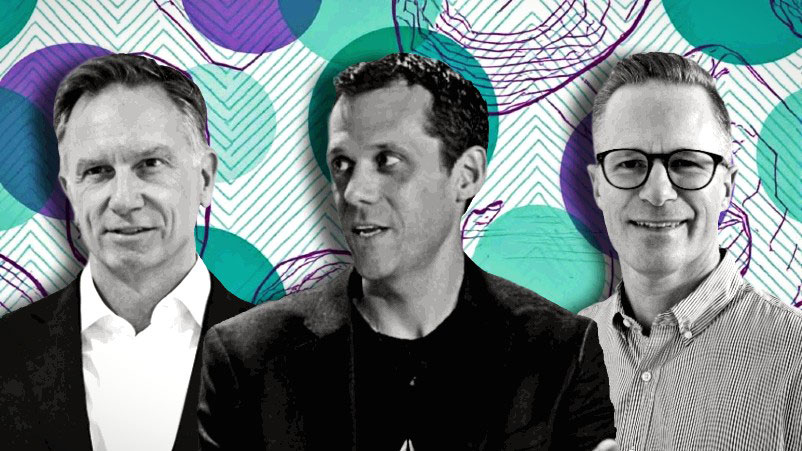
That's largely because of a misleading valuation method influencing what retailers think they can extract in advertising terms from their physical and digital store media assets. For many, the revenue forecasts have been wayward and inflated, a key finding in the 2026 Global Report on Owned Media from valuation and advisory firm Sonder, which for the first time has mapped and valued the global owned media market. Sonder estimates the sector has a commercial potential of $573bn worldwide for brand owners, including retail media and commerce media networks. But less than 30 per cent of the global commercial potential in owned media is being captured, according to the report – telcos are leading laggards, but a market bias to retailer digital media assets over physical retail formats has also stymied market growth. Andrew Lipsman, a former e-marketer analyst and currently founding advisor and strategist at US-based Colosseum, a specialist commerce and retail media advisory firm, joins Sonder co-founders and the global report authors, Jonathan Hopkins and Angus Frazer, on this week’s podcast breaking down the major challenges, developments and growth spots for the global owned media sector, including analysis on lead markets like the US, UK and Australia.
“It just pours pressure on the whole team on the basis of inflated numbers. Everyone in the organisation is going to be disappointed from the very top right down. It's a recipe for disaster.”
Angus Frazer, Co-founder, Sonder
Commerce media v retail media
Last week Commonwealth Bank CMO Jo Boundy declared the bank’s super-charged owned media strategy and branded content program was close to delivering a full-funnel silver bullet.
Boundy also backed a trend captured in News Australia’s 2026 Future of Branded Content report that brand-originated content was moving rapidly from “content ecosystems”, often run by corporate affairs teams, to “brand worlds” led by marketing units. The nuanced but critical shift was about marketing, designing content to help real-world customer needs and knowledge gaps, versus an enterprise “content ecosystem” historically driven by the corporate calendar to align product roadmaps and preferred push messaging.
“This idea that you’re looking at all your customer touch points and the content served on them as brand worlds, I’m loving,” Boundy said on an Mi3 Market Voice podcast last week with News Australia content executives.
Commbank, United Airlines, T-Mobile exceptions
The Commonwealth Bank and Boundy appear to be an exception for financial services firms globally in what a new global report from Sonder on the owned media sector says are some material revenue gains for Commerce Media Networks (CMNs) that most finance, telco and travel brands are missing the world over. Commbank, United Airlines and US telco T-Mobile’s large investments in building out their commerce media networks are considered exceptions.
While Retail Media Networks (RMNs) have captured much of the attention and growth momentum in recent years, they’re now facing competitive headwinds new to a boom category.
“There seems to be a significant misconception that e-commerce is way bigger than it actually is. Right now, there's an overemphasis on digital assets.”
Andrew Lipsman, former e-marketer analyst and founding advisor, Colosseum
GMV wreaks havoc in retail media pricing
Sonder’s 2026 Global Report on Owned Media estimates RMNs have the sector’s single largest commercial potential at $450bn globally, while commerce media can tap an estimated $120bn worldwide. Despite this multi-year bull run in retail media globally, there was an abundance of retail executive teams around the world disappointed with their retail media network initiatives. It was largely because of a misleading valuation method influencing what retailers think they can extract in advertising terms from their physical and digital store media assets – for most, the revenue forecasts have been wayward and inflated.
It has “wreaked havoc” for both retail media teams trying to meet revenue forecasts and senior retailer management, once bullish on landing what looked like easy money. Angus Frazer, co-founder of the owned media advisory and valuation firm and 2026 Global Report co-author, says many business cases and revenue expectations for RMNs have been based on an “inherently reckless” media asset valuation model using “Gross Merchandise Value” or GMV as the core input.
“The problem we've seen over the years is that some retail businesses are trying to establish the size of the prize and an understanding of where they should be setting their sales targets based around these top line metrics like Gross Merchandise Value, and then applying a multiple to that based on what other businesses earn in relation to their GMV,” says Frazer in today’s podcast.
“Now the problem with that is GMV has really little relationship to media channels, and at a stretch you might argue that GMV is related to sales and therefore audience. But it's not a measure of audience, and it has no bearing on media value and the channels within the ecosystem.
"Businesses basically are applying a generic multiple from another business to their GMV figure to estimate a top-down media value, which we feel is inherently reckless."
Frazer suggested that where established retail media networks have underachieved and not hit their sales targets, it is because they are working off these top-down valuations with targets that are basically impossible to hit.
"So it just pours pressure on the whole team on the basis of inflated numbers. Everyone in the organisation is going to be disappointed from the very top right down. It's a recipe for a disaster.”
“Telcos are currently minor players in the commerce media landscape, but have this potential to rival even the leading retail media networks if they fully commercialise.”
Jonathan Hopkins, Co-founder, Sonder
Retail media progress slowed
This GMV valuation model for RMNs is equally problematic with US retailers, according to Andrew Lipsman, a former e-marketer analyst and currently founding advisor and strategist at US-based Colosseum, a specialist commerce and retail media advisory founded by the former president of Best Buy Ads, Media & CRM, Keith Ryan.
“The single most important point here is understanding how to value your assets, and that requires a bottom-up approach, says Lipsman. “I have seen it play out in the US across the entire ecosystem, and it's pretty much some version of the same story everywhere where you are: the C-suite is sold a number that they should hit and they saw the fast growth early on in retail media and expected that that number was somehow realistic on a short timeline. And it never was. It''s caused a lot of pain, and it's actually slowed down the progress of building out these [retail] networks. It's arrested development, it's caused turmoil within teams and frankly, it's slowed down the development of in-store media, which in my view, is a mega opportunity that is finally getting out, but we're probably two years later on it than we should be.”
Following the money (customers)
Frazer argues a lower risk approach to brand-owned media valuations is “bottom up” - auditing each media format across digital and physical with pricing and revenue benchmarks set based on in-market advertising dynamics. But Lipsman’s observations around these media valuation methodologies halting retail media’s growth and development of in-store media were another major red flag in Sonder’s 2026 Global Report. Lipsman says the US market in retail media turned wonky early, piling into digital media assets offered by retailers hunting quick money - but all sides have entirely missed the dominance of most customers shopping and making decisions in physical stores.
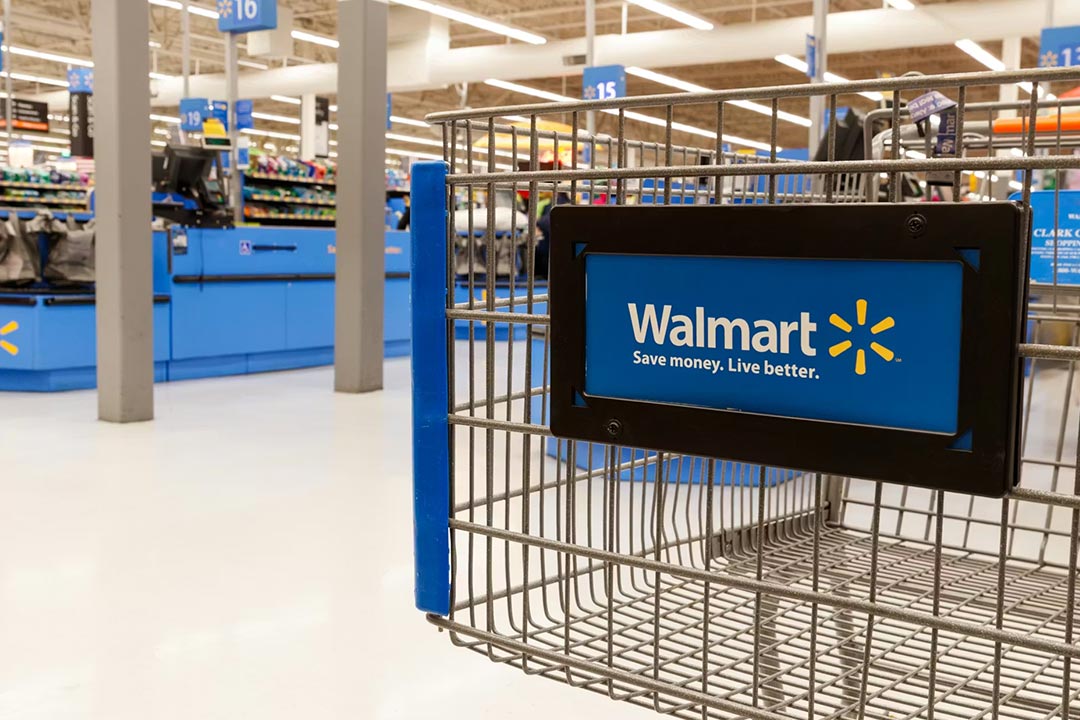
”There does seem to be a significant misconception here that e-commerce is way bigger than it actually is,” says Lipsman on one of the report’s other key findings that retail media networks and advertisers are locked counterproductively on retailers’ digital assets – yet physical retail in spending and customer volume dwarfs ecommerce five to one. Marketers and RMNs are not following the money, or customers, Lipsman argues.
Market moving to physical retail
“Right now there's an over emphasis on those digital assets and you find that the physical assets are further down the list. So we need to have more of a reprioritisation of that in the context of retail. A big part of this, by the way, is retail CEOs. What they know is retail. They're very good at generating revenue in retail. Media is not a core competency within those organisations and so it also fuels part of the issue that Angus referred to where the CEO or the C-suite wants to see this really significant revenue growth in retail media.”
Lipsman says he’s been a “big proponent of in-store retail media for a while” and has been taking that message on his speaking circuit. “A lot of times I'll get this question: ‘why would you want to do that? What's the point when physical retail is going away?”
“I realised that people actually think that the majority of retail at this point is e-commerce. The reality is people do want to shop for goods physically - there are a whole lot of motivators beyond just pure efficiency, which is obviously one of the primary motivators behind e-commerce.”
Gen Z flips to stores
Global e-commerce data analysis from Salesforce last year made similar conclusions – Gen Z, for instance, were shifting preferences quickly to the in-store experience over online transactional purchases. Baby boomers, meanwhile, were going the other way.
Sonder co-founder Jonathan Hopkins says the physical retail blackspot was one of the “big findings” in the report and was also a central theme emerging from the top retailer conference in the US last month. “The big theme coming out of that was physical retail is the next big thing,” says Hopkins. “There’s a big discrepancy between what’s actually happening in terms of where the revenue is [currently] flowing and where the opportunity is,” Hopkins says. “It’s less so in Australia, where marketers tend to lead an omni-channel view of leveraging their own media.”
CMOs want their own
As part of the global owned media mapping exercise, Sonder engaged the CMO Council in a global marketer survey around their own media future strategies – using different RMNs and CMN formats in their own marketing and the appetite for establishing their own.
“Just 37 per cent are currently monetising their own media with partner brands globally,” Hopkins says. “But 92 per cent expect to be doing so in two years from now. These signals really show that there’s growth on the horizon.”
Still, telco’s, banks and travel companies, which typically create commerce media networks, remain laggards in owned media, Hopkins says.
“Whilst retail media networks, RMNs, have the lion's share of the revenue, commerce media networks have massive potential,’ he says. “CMNs represent 20 per cent of the total market but are only delivering 4 per cent of the revenues. One of the big sectors in there is telcos. They have the biggest unrealised media network opportunity. If you look at the key markets for retail and commerce media, US, UK and Australia, telcos are currently minor players in the commerce media landscape, but have the potential to rival even the leading retail media networks if they fully commercialise.
"That's because of the omni-channel nature of their business. They do have a retail footprint typically as well as fast digital footprints which have high frequency amongst customers in terms of apps, websites, emails and websites. They have been quite slow to adopt the opportunity. The reasons for that are partly due to lack of awareness of the size of the prize, not understanding the true value of their media network, but also culturally. Often, these commerce businesses do not have the legacy leverage models within the business like retailers do with merchandise departments, where those established relationships with brand partners exist. So that's a big barrier to taking it, but I think they're starting to emerge and see the opportunity."
Hopkins, Lipsman and Fraser point to a handful of brands setting new benchmarks for running retail and commerce media networks from the aforementioned Tesco, United Airlines, Commbank and T-Mobile to Best Buy’s newly minted omnichannel play, now run by a former top Disney advertising exec, and 7-Eleven’s conversion of its stores to media channels.”
“Less than 30 per cent of the global commercial potential of owned media is being captured,” says Hopkins. “There’s a lot being underleveraged, but that’s moving. About 60 per cent of CMOs globally are providing [media] value to their partners at no cost. In two years 38 per cent say they’ll still be doing that.”
“Less than 30 per cent of the global commercial potential of owned media is being captured. There’s a lot being underleveraged, but that’s moving.”
Jonathan Hopkins, Co-founder, Sonder