


“We've consistently seen this model reduce investment in paid media to an average of 20 per cent. Once you understand the value of owned media channels to your marketing plans, it can reframe the thinking within an organisation.”
Jonathan Hopkins, Co-Founder, Sonder
95 per cent of St Kilda Football Club’s marketing budget goes into its owned assets. Chief Customer and Commercial Officer, Michael Scott, has worked across some of the world’s biggest and best consumer marketing companies. Now he’s packaging up “rich reach” and “mind-blowing” engagement rates to woo advertisers.
The likes of Chery are buying in: Across two years working with the Chinese car brand, “we've increased their awareness by 17 percentage points, consideration by eight percentage points, and trust by 14 percentage points,” says Scott. “For a new entrant brand that had almost no awareness … that's an incredible result, which we've been able to deliver through our owned media channels.”
Engagement rates among St Kilda’s fans and members eclipse anything Scott’s seen at the likes of Rip Curl and Nike. Email open rates are 60-70 per cent; TikTok engagement rates between 9-10.5 per cent. Instagram? “Our engagement rate is four to five times that of Nike.”
He’s betting advertisers will pay a premium for “rich reach” versus bigger audiences touted by media rivals. Scott sees Netflix, Paramount and Stan as competitors.
“I've always been an advocate of having a quality conversation with a small number of people on the street, rather than walking through the middle of the road with a megaphone. I’m not sure yelling at the top of your voice achieves much,” per Scott.
St Kilda’s is simultaneous stretching its own base beyond middle-aged male heartlands. Tweenage girls are a key growth target; the club sees major upside within the women’s game.
Scott has monetised owned media with the likes of Myer and Virgin Australia – and says functional silos are the biggest blockers, particularly for retail media networks.
“It just becomes far more powerful and easier to execute when the egos are dropped, the paradigms are put to the side, and everyone just recognises the incredible value which [owned media] offers the organisation.”
He suggests underlining the financial upside concentrates minds.
“I think the value creation – on a dollars and cents level – was the thing that probably captured most people's attention. You can talk to acquisition of data, personalisation and marketing sharpness and they are all nice to hear. But the CEO or CFO are the ultimate arbiters on where resource is placed. So you need to present a value creation story. That's probably the thing that allows organisations to shift gear.”
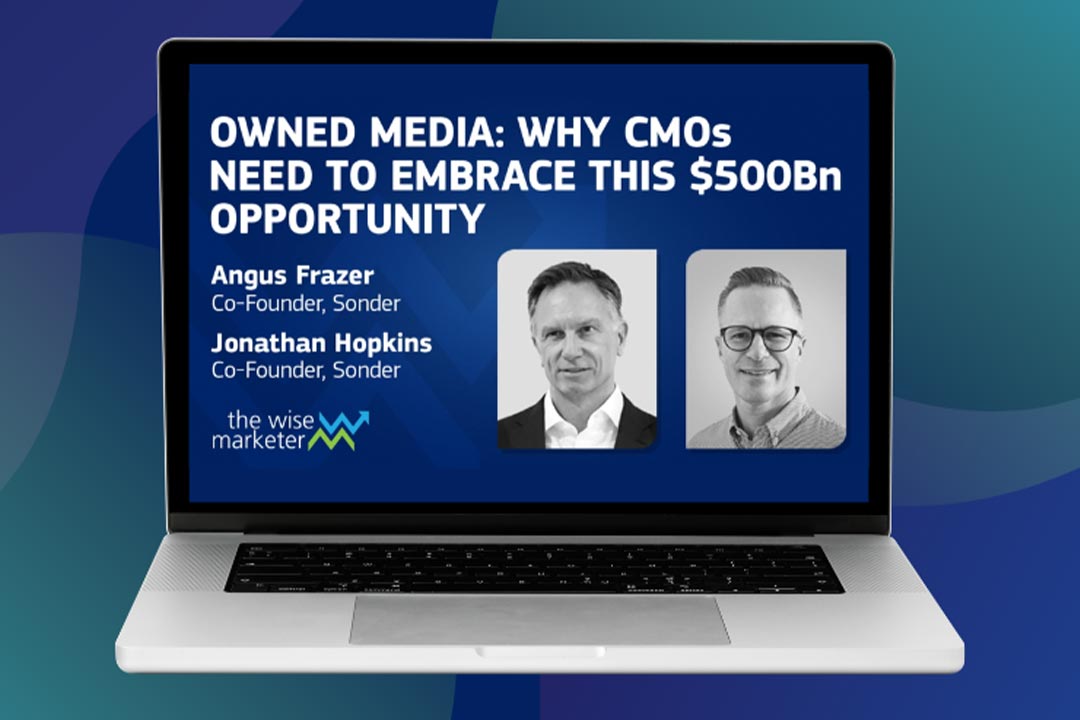
Jonathan Hopkins and Angus Frazer, founders of owned media consultancy Sonder, back that view to the hilt.
“The thing that St Kilda can deliver … is it can fast-track relevance, credibility and emotional connection. That's pretty key.”
Michael Scott, Chief Customer and Commercial Officer, St Kilda’s
What you need to know from this podcast:
- Across a stellar CMO career – Virgin Australia, McDonald’s, Nike, Myer and Rip Curl – Michael Scott has never seen anything like the engagement levels at St Kilda’s Football Club.
- Now he’s bidding to better monetise a million-strong audience, selling super fans to advertisers, competing with rival clubs and media owners alike.
- Scott’s a long-term proponent of owned media. But he knows while the rewards are abundant, attaining them is another matter. Internal turf wars are part of the problem, but it goes much broader.
- Sonder’s Jonathan Hopkins and Angus Frazer say it takes a “senior mobiliser” like Scott to drive the organisational change required to make a success of monetising owned media, flipping marketing from cost to revenue driver.
- “It’s still quite rare to have a chief customer and commercial officer under the same remit,” says Hopkins. “But I think that's what's required to really drive impact.”
- Get it right, and the owned model “consistently reduces marketing investment in paid media to 20 per cent”, per Hopkins. On the sell-side, highly engaged commerce networks can achieve “25-50 per cent premiums” on high performing formats, according to Frazer.
- The first step? Get an audit, says Scott. “I highly recommend it. It presents quantifiable evidence of the potential and value which it offers your organisation, removing any emotion or subjectivity.”